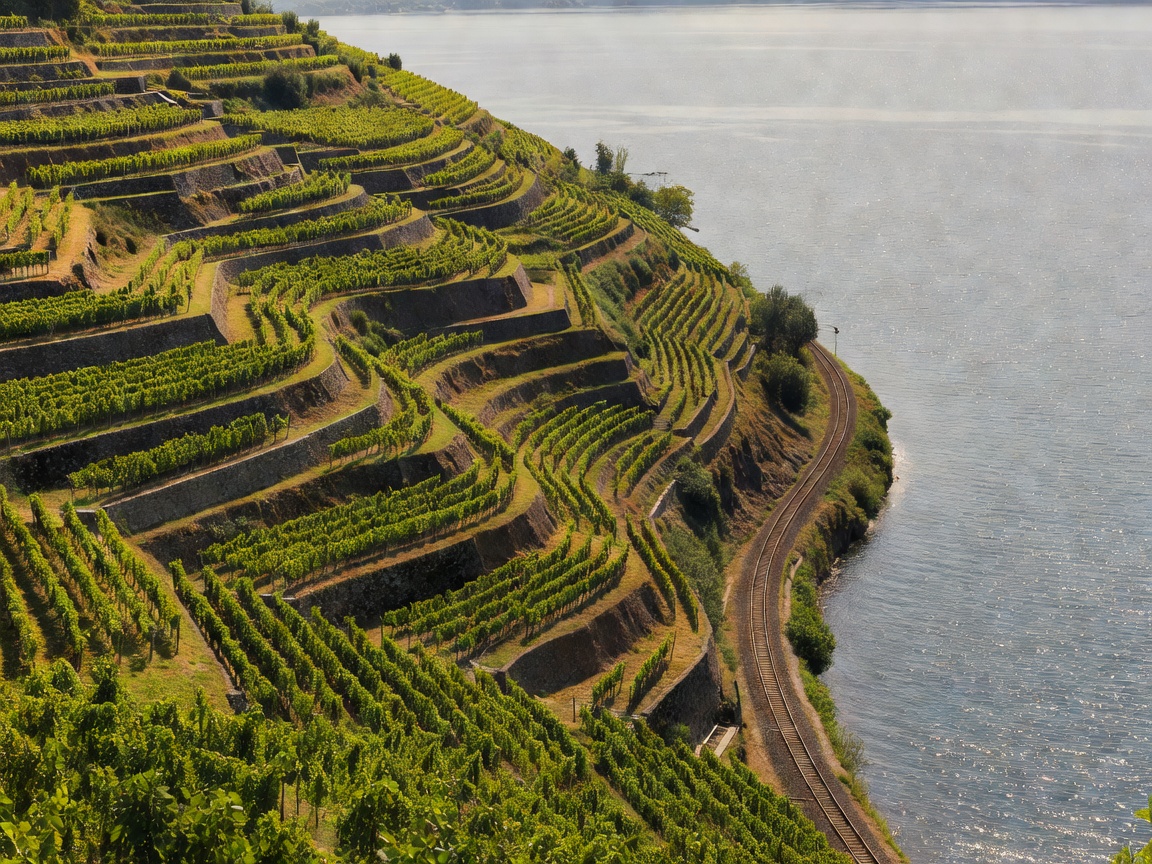
The Terminus Advantage: City Center to City Center
The most understated luxury in modern travel is the complete absence of the intermediate transfer. Consider a journey between Paris and Amsterdam, or London and Edinburgh: taking an aircraft involves an hour of pre-airport driving, ninety minutes of security queues, boarding protocols, tarmac taxis, baggage carousels, and another forty-minute highway taxi ride into your hotel.
Rail inverts that entire burden. You step from a central hotel lobby into the Gare de Lyon or St Pancras International, board without stripping shoes or emptying liquids, and glide directly into the core of your destination city. You walk off the platform directly into civic life.
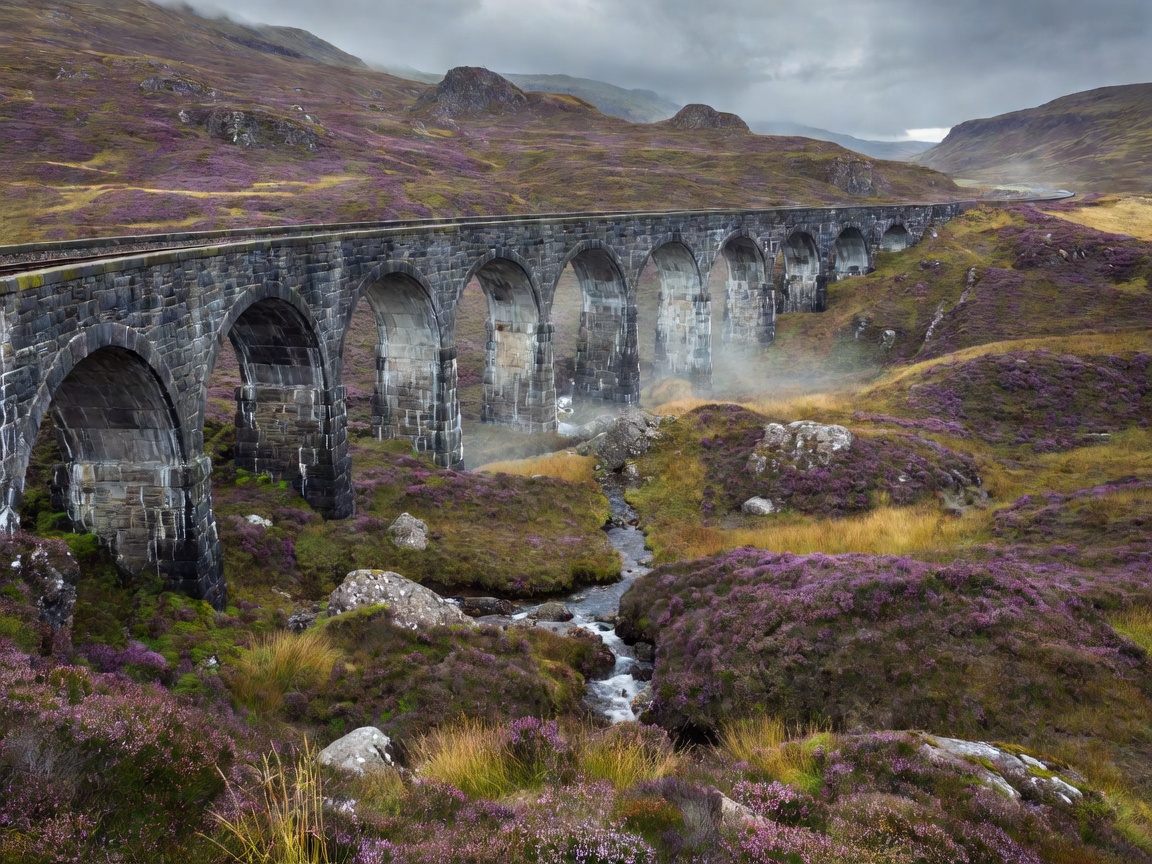
Wild Coasts & Heathered Valleys
Routes traversing the Scottish Highlands, the Côte d'Azur cliffs between Cannes and Ventimiglia, and the northern Spanish Basque coastline offer vistas unreachable by standard roadways. Pacing here is contemplative by design.
Alpine Transits: Engineering as Poetry
The spine of Western European rail travel remains the Alps. Lines crossing Switzerland, Austria, and northern Italy through the Gotthard, Semmering, and Brenner corridors demonstrate human engineering in dialogue with raw nature.
Spiral tunnels carve corkscrews through solid gneiss so trains can gain elevation without slipping. Timber chalets give way to craggy cirques, alpine meadows, and turquoise glacial runoff streams. To experience these routes from an observation carriage with panoramic skylights is to understand why railways captured the Victorian imagination so completely.
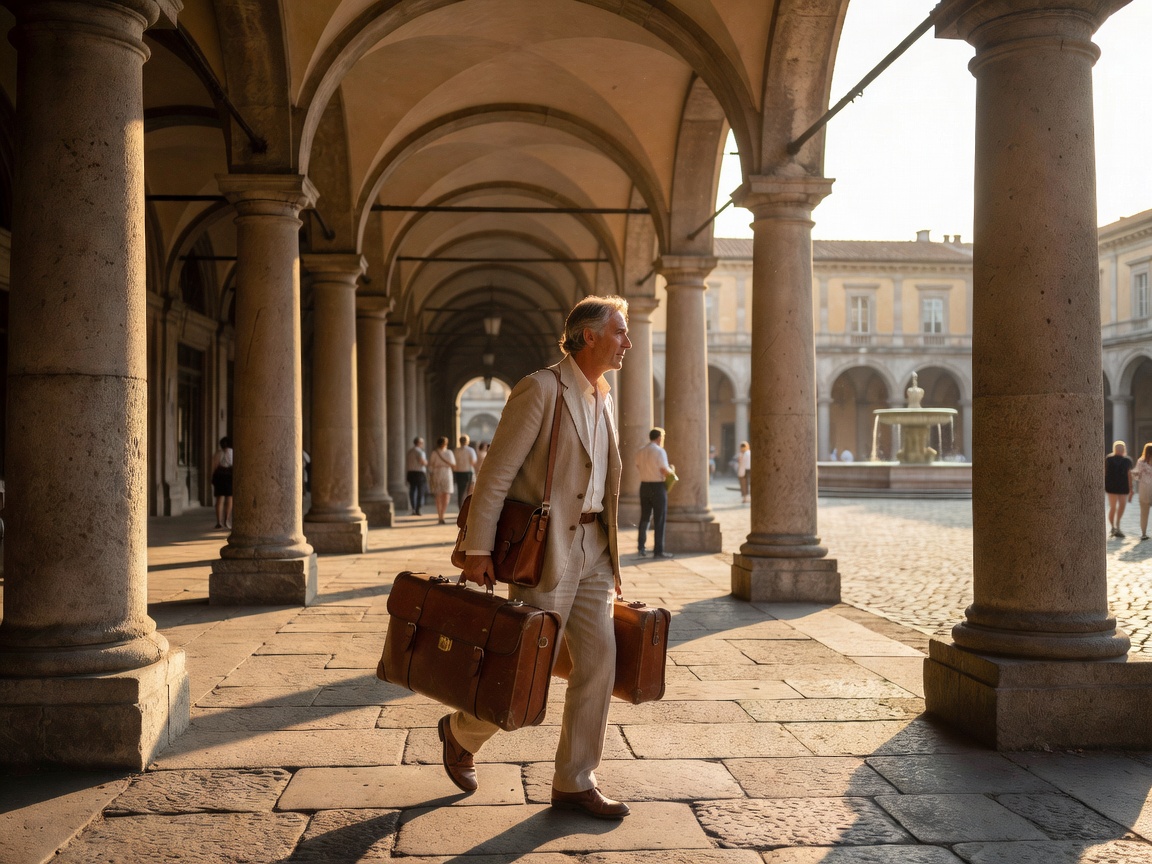
Historic City Termini as Gateways
From Milan Centrale’s grand monumental stone carvings to Paris Gare de l’Est’s stained-glass rotundas, grand stations are civic palaces that honor the traveler's arrival.
Seasonal Topography: When to Ride Where
Railway landscapes transform dramatically through the seasons:
- Winter (December to March): Best for trans-alpine crossings where heavy snow blankets the pines and creates a fairytale monochrome contrast against amber carriage lights.
- Spring (April to June): Exceptional for the Rhine Valley, Provence, and Tuscany, where flowering orchards and emerald vineyards unspool beneath mild skies.
- Autumn (September to November): The golden season for central Europe, the Scottish Highlands, and Swiss larch forests turning bright ochre against slate-grey rock faces.
Evaluating Destination Pairs: Direct vs. Multi-Stop
A common question among rail planners: should you choose an unbroken 24-hour luxury sleeper crossing, or break the voyage into two-night hotel stays along the way?
Our recommendation is simple: if the line features an extraordinary lounge car and silver-service galley, stay onboard and savor the continuous immersion. However, if your route traverses three historically distinct cultural regions (for example, navigating from Paris through Burgundy into the Swiss Lake District), building a two-night pause at a boutique countryside estate elevates the rhythm from transit into grand touring.