
The Golden Rule of Connection Buffers
Standard rail booking software regularly issues itineraries with tight 7-to-12 minute connection windows. If you are a solo traveler with a light backpack, you might sprint across platform underpasses in Munich or Brussels and catch that connection.
When traveling in luxury, however, a 10-minute transfer is an acute failure of design. Never book a connection under 45 to 60 minutes when switching between major intercity or cross-border rail lines. A 60-minute window transforms a panic attack into an enjoyable interlude: an opportunity for your porter to transfer your bags while you sip an aperitif at a historic station brasserie.
The Two-Tier Packing Principle
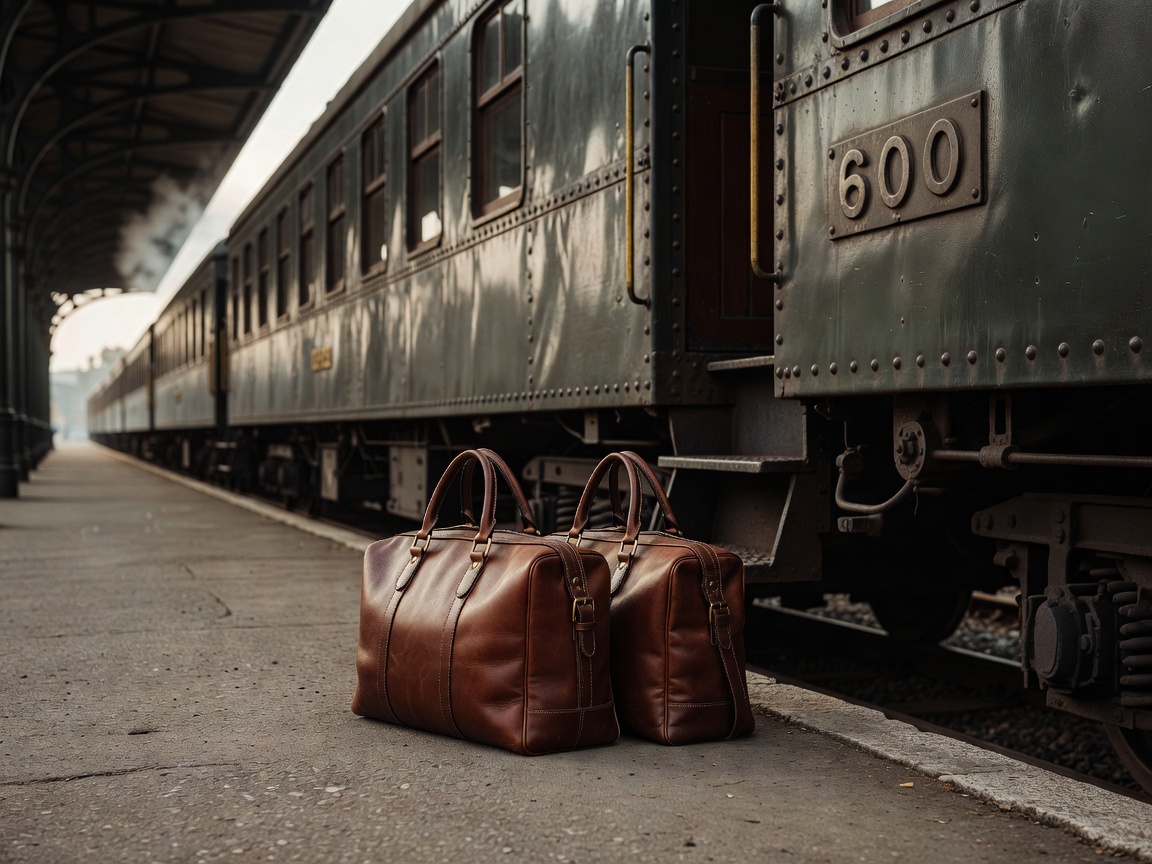
Trains have limited cabin floor space. The master strategy is splitting your luggage: large rigid cases sent ahead via direct station-to-hotel courier services, leaving you with a sleek leather overnight duffel for your carriage.
Balancing Travel Time with Destination Stay
We adhere to the Rule of Three: for every full day spent traveling by train, allocate at least two full nights at your next destination. This prevents the disorientation known as "rail fatigue."
When an itinerary flows naturally, the train day serves as a sanctuary. You wake up, unpack your thoughts, savor lunch while passing sunflower fields or snow-fields, read half a novel, and arrive refreshed in a vibrant new city just in time for an evening stroll before dinner.
Contingency Architecture for Timetable Variations
Even the most legendary rail networks experience occasional engineering diversions or weather holds. Smart itineraries always position the most critical cultural events on the day after arrival, never on the evening of transit.
Compact Express vs. Slower Heritage Itineraries
There are two philosophical paths you can take when drawing up your route:
| Aspect | The Modern High-Speed Arc | The Heritage Scenic Thread |
|---|---|---|
| Typical Velocity | 250–320 km/h on dedicated tracks. | 60–100 km/h on legacy rights-of-way. |
| Visual Experience | Abstract blur of fields; concrete barriers. | Intimate look into back gardens, ravines, and village squares. |
| Best For | Covering long distances between major capitals in a morning. | Multi-day immersion where the route itself is the entire reason to travel. |
| Onboard Hospitality | At-seat bistro trays; efficient commercial service. | Multi-course formal dining on damask linen; dedicated stewards. |
Practical Itinerary Architecture Checklist
Before securing accommodations or train salon reservations, verify every link in your chain:
- Daylight Verification: Cross-check sunset times for your travel month against the scheduled mountain or coastal segments of the journey.
- Station Geography: Ensure your arrival station isn't a secondary suburban halt. In cities like Vienna, Paris, or London, confirm exactly which terminal you depart from, as cross-town transfers require 45–60 minutes.
- Hotel Luggage Reception: Confirm that your arrival hotel offers 24-hour luggage drop and check-in if your train arrives late in the evening.