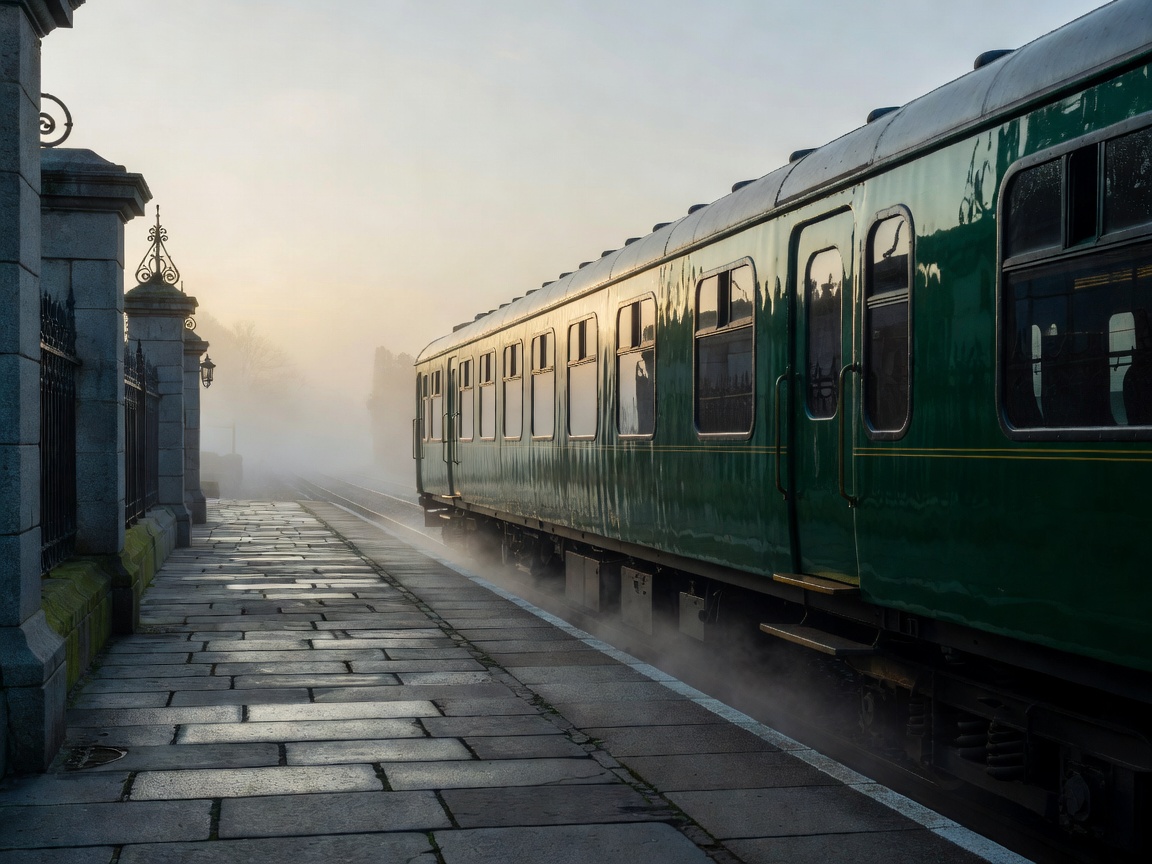
The Anatomy of Distinction: Point-to-Point vs. Experiential Rail
Most travelers encounter trains as utilitarian necessities: commuters huddled under fluorescent strip lights checking notification badges. Luxury rail exists on the exact opposite pole of that spectrum. It restores the theatricality of departure.
In a dedicated luxury journey, the train does not sprint at 300 km/h through concrete sound-baffles. Instead, it glides at a measured 80 to 110 km/h along historic rights-of-way that hug river bends, negotiate dramatic viaducts, and curve gracefully through mountain gaps where highways simply cannot tread.
Day Voyages vs. Sleeper Caravans
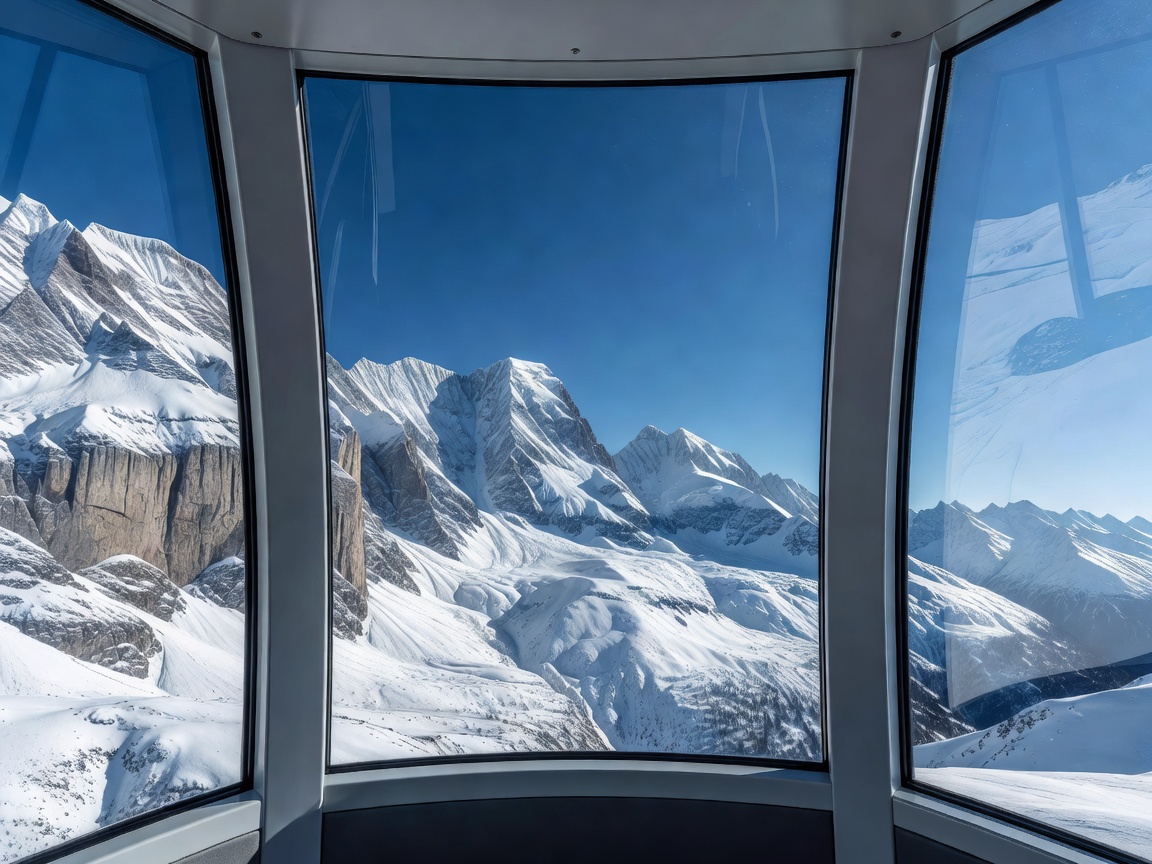
Day routes prioritize oversized panoramic glazing, open observation saloons, and leisurely lunch sittings. Sleeper services emphasize whisper-quiet dampening, en-suite washrooms, and turn-down rituals that transform daytime lounges into plush bedrooms.
Carriage Concepts: Heritage vs. Modern Alpine Luxury
When evaluating premium European services, travelers generally encounter two distinct schools of carriage design:
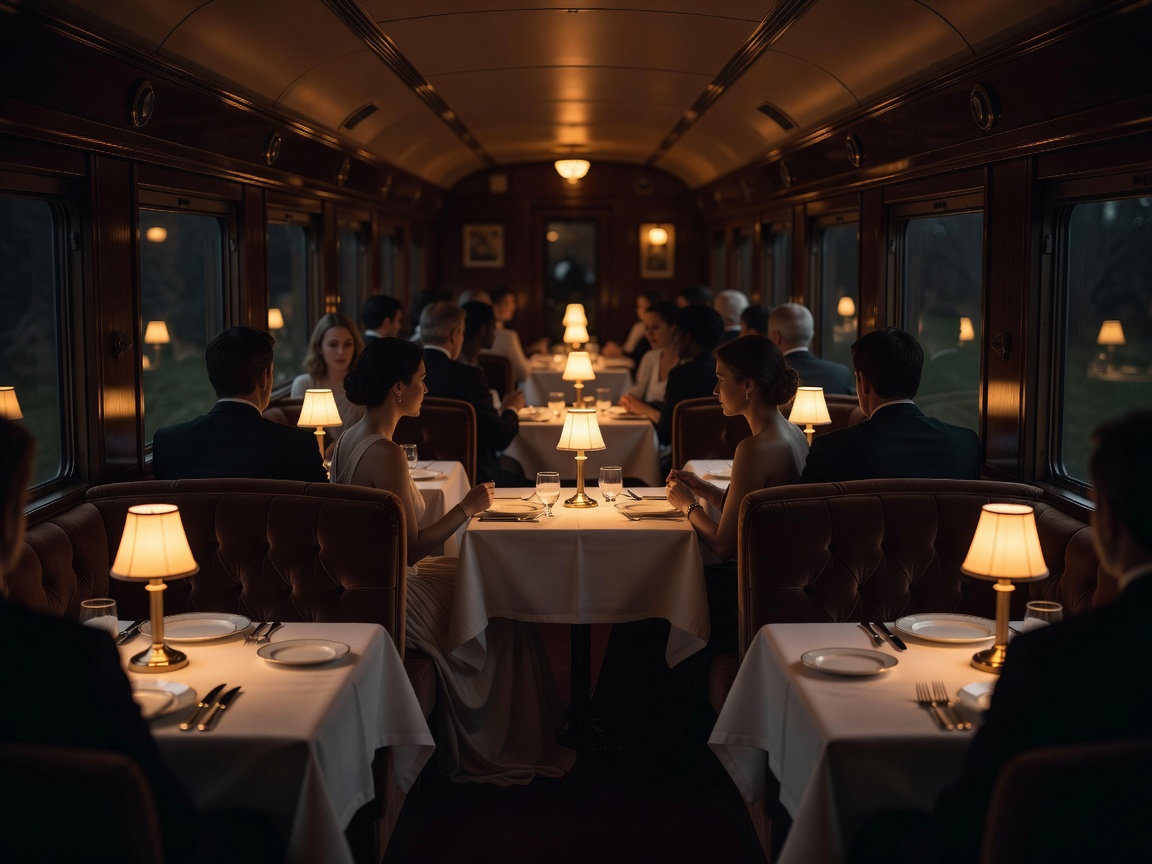
- The Heritage Restoration School: Polished teak and mahogany marquetry, Lalique crystal sconces, heavy brass luggage racks, and vintage velvet upholstery. These services celebrate the golden age of rail between 1920 and 1938. What they may lack in cavernous shower stalls, they repay with romantic period authenticity.
- The Contemporary Architectural School: Floor-to-ceiling panoramic glass, active pneumatic suspension, understated brushed steel, Nordic wood accents, and whisper-quiet acoustic insulation. Found frequently on Swiss and Austrian trans-alpine routes, these focus on total panoramic immersion and flawless engineering.
Comparing Rail with Other Premium Travel Formats
Everything in travel involves trade-offs. Here is how luxury rail genuinely stacks against private aviation and boutique coastal cruising:
| Dimension | Luxury Rail | Private Aviation | Boutique Small Cruise |
|---|---|---|---|
| Pacing & Scenery | Continuous, intimate ground landscapes passing within feet of your window. | Clouds and altitude; virtually zero ground intimacy. | Dramatic coastlines, but long stretches of open seawater. |
| City Center Access | Direct arrival into historic city hearts; zero transfers required. | Remote private FBO airstrips requiring 45–90 min ground transfers. | Ports often located outside historic quarters; coach transfers. |
| Spatial Freedom | Walk freely between lounges, bar saloons, and dining cars at will. | Strictly confined to your seat or small cabin during turbulence. | High freedom on deck, subject to sea states and swells. |
| Environmental Footprint | Extremely low emissions per passenger kilometer, often electrified. | High per-capita carbon burn and fuel intensity. | Moderate to high marine fuel consumption and harbor impact. |
How to Choose the Right Line
Don't book on romantic photos alone. Scrutinize whether your cabin features a private en-suite shower, how dining seatings are scheduled, and whether the route traverses its best mountain passes during daylight hours.
Practical Selection Guidance
Before committing to a multi-day itinerary, consider your personal tolerance for motion and cozy spaces. A rail cabin—no matter how lavishly lined with French walnut—remains constrained by the European loading gauge (roughly three meters wide).
If having a palatial walk-in wardrobe is vital to your peace of mind, opt for curated day-train connections linked by premier boutique hotels in city centers. But if you value waking to the sun illuminating the Dolomites while fresh espresso is delivered to your bedside table, nothing on Earth rivals the sleeper salon.